A fungus that lives on trees
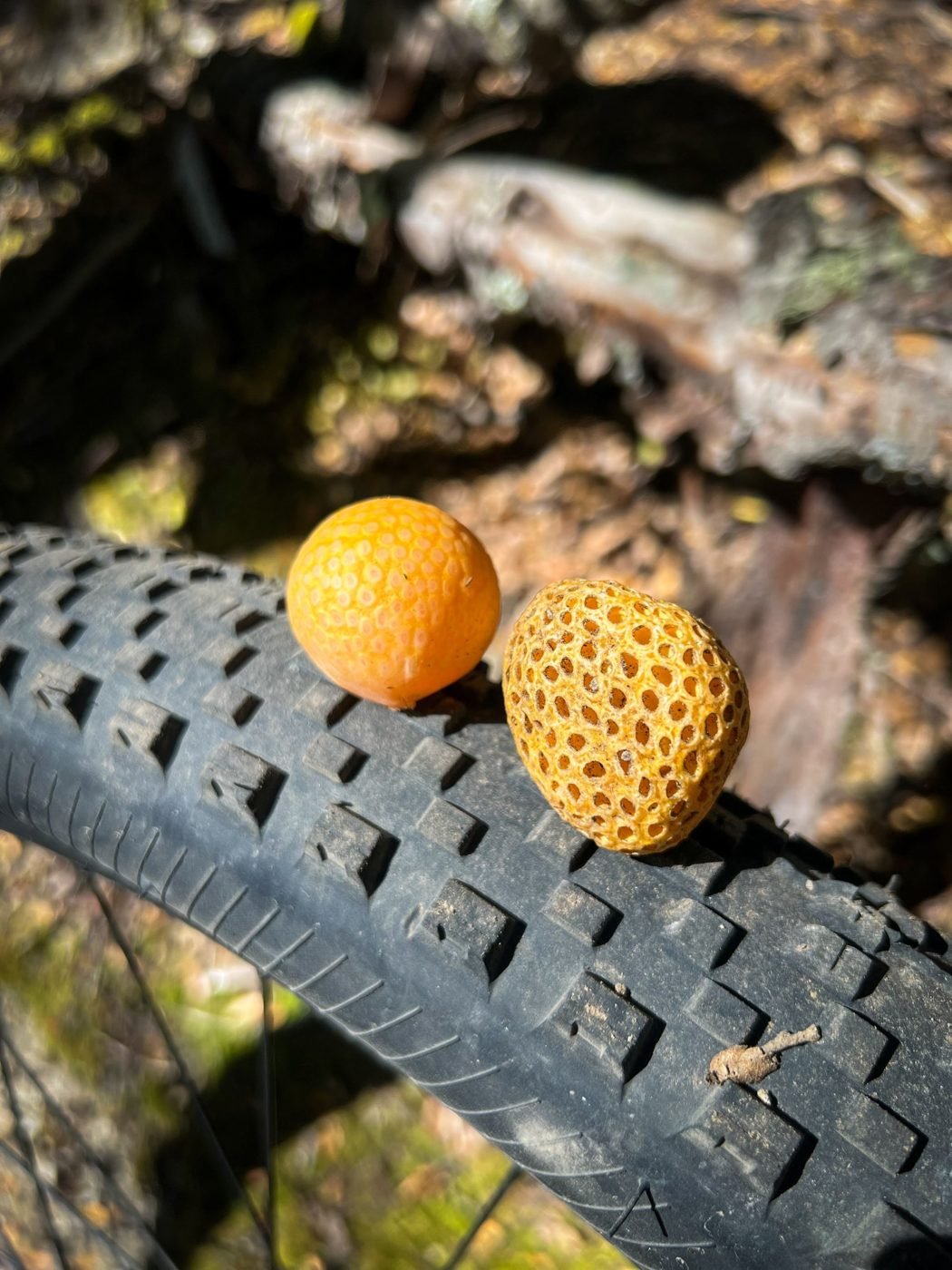
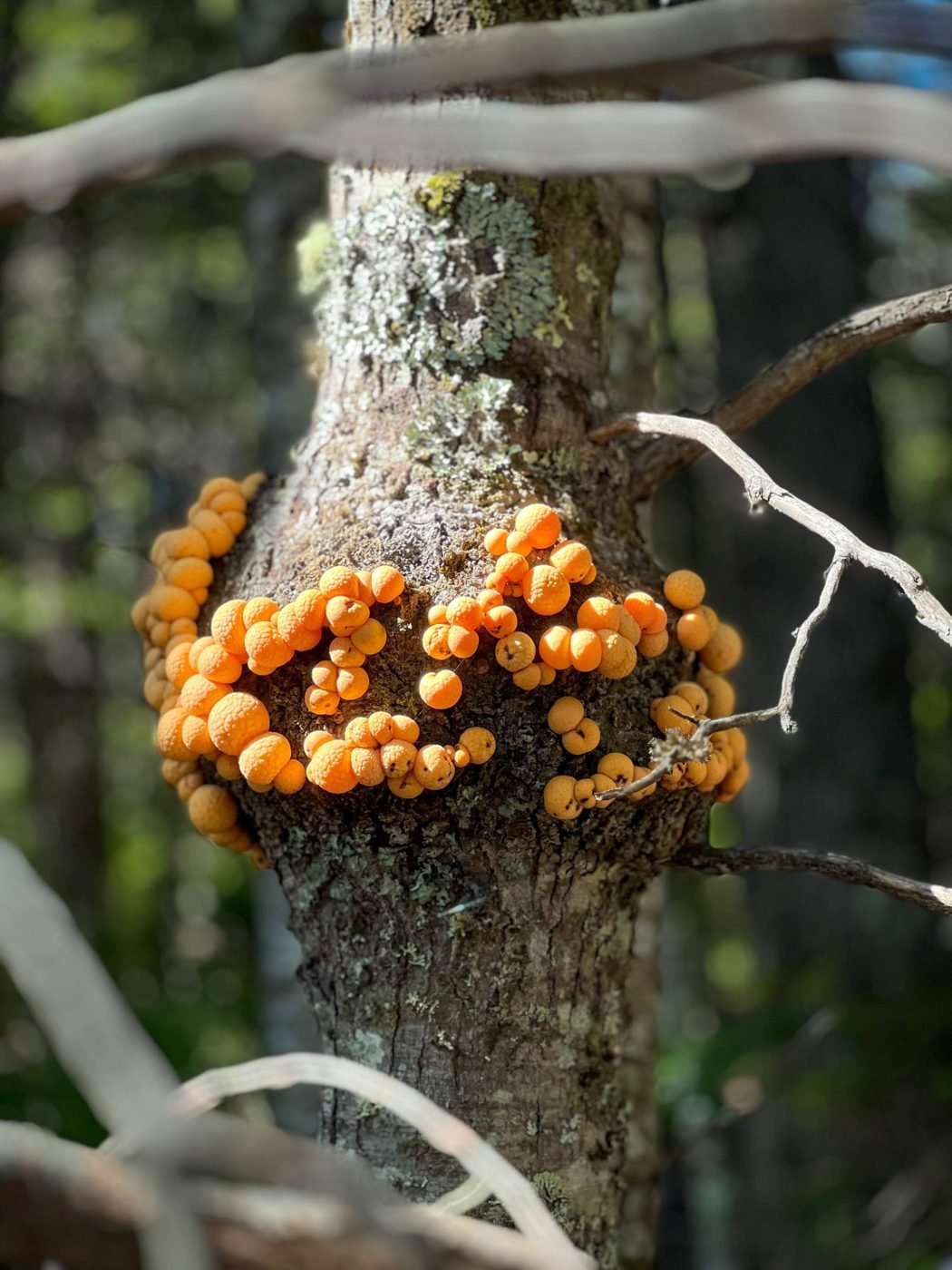
Llao llao is the name used in Argentina for Cyttaria hariotii, a native fungus that parasitizes trees of the Nothofagus genus: ñire, lenga, coihue and guindo, among others. It is also called pan de indio. The name comes from Mapuche: llau llau, which in Mapudungun translates as “tasty tasty, sweet sweet.”
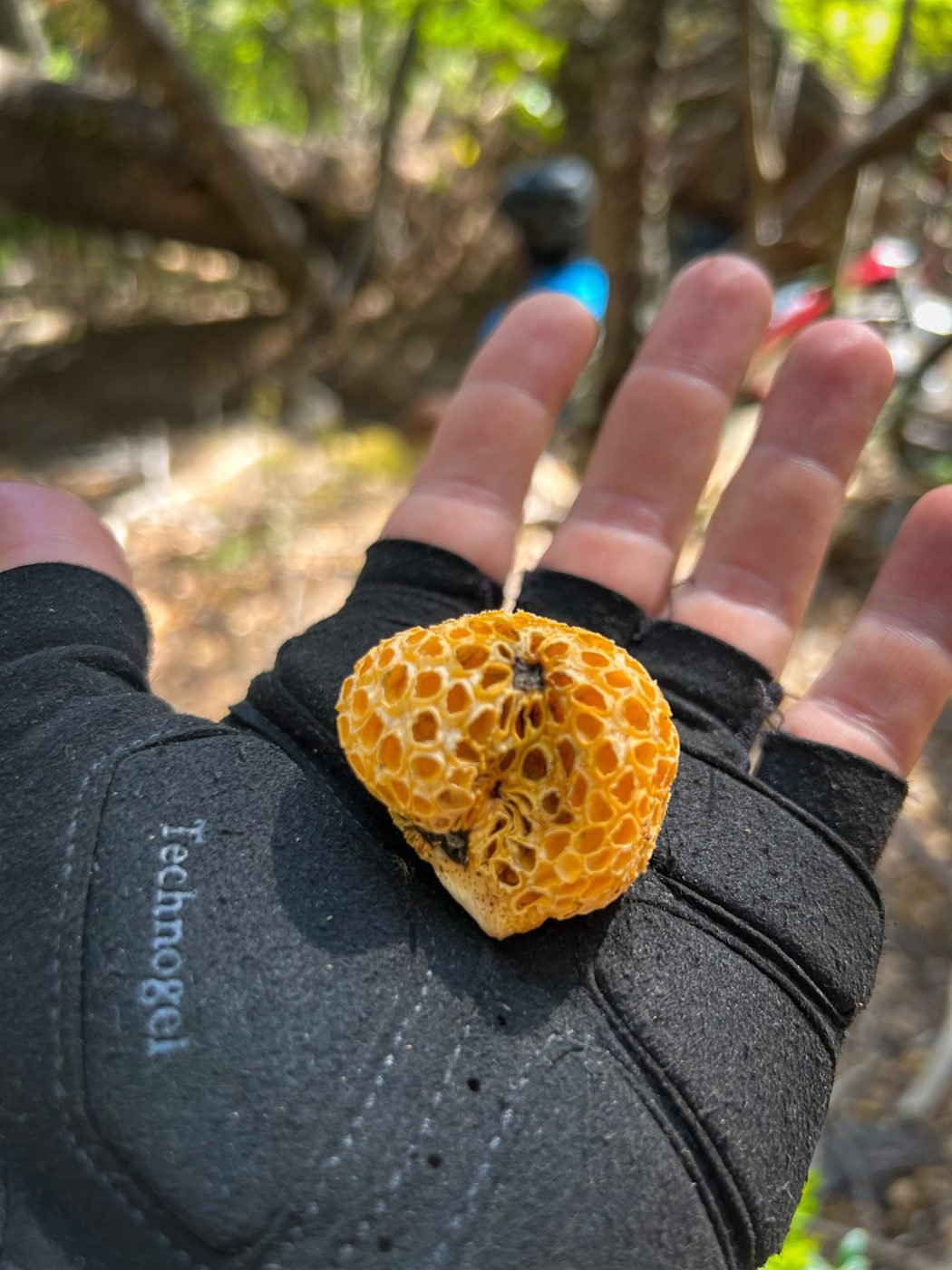
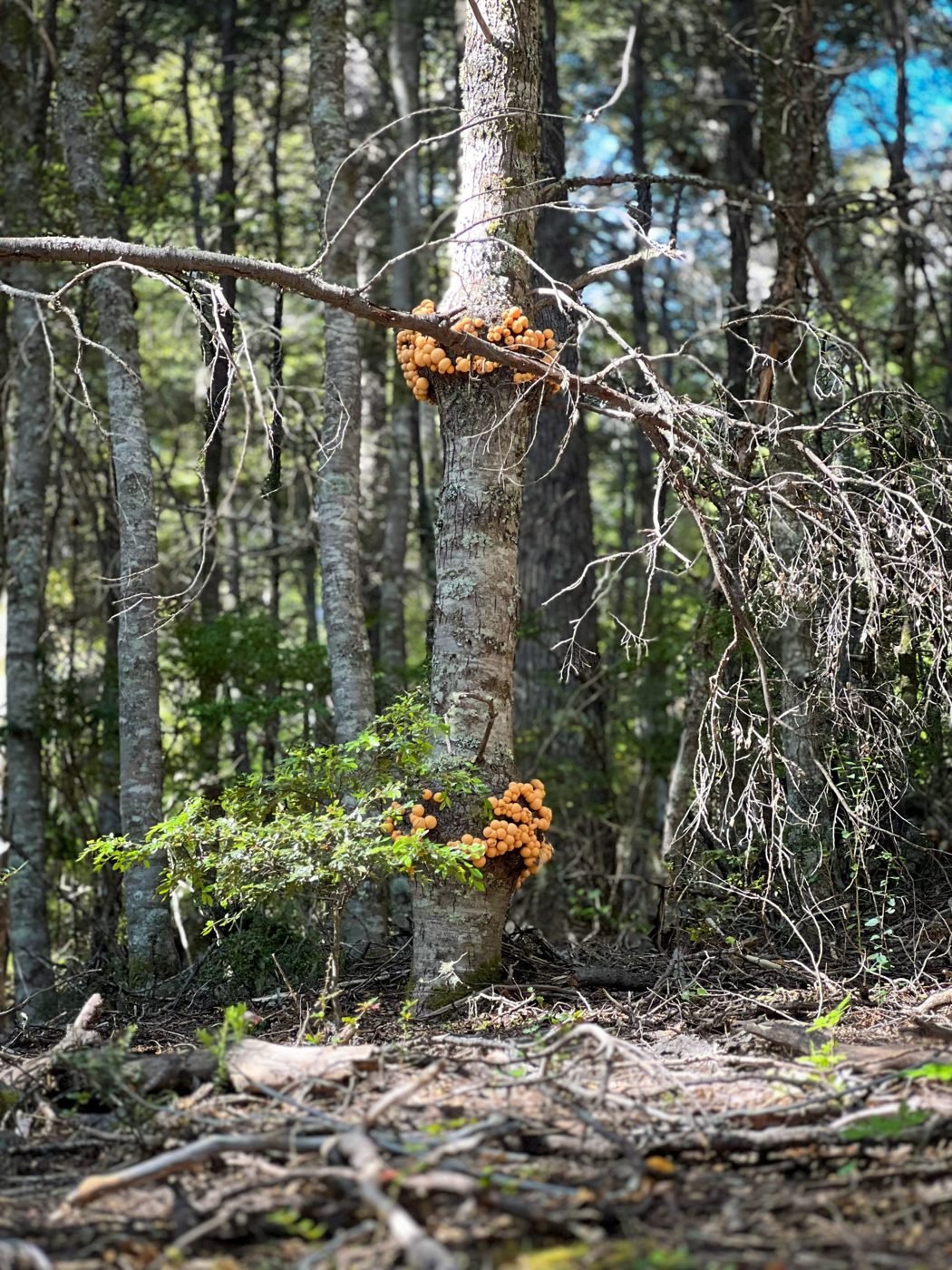
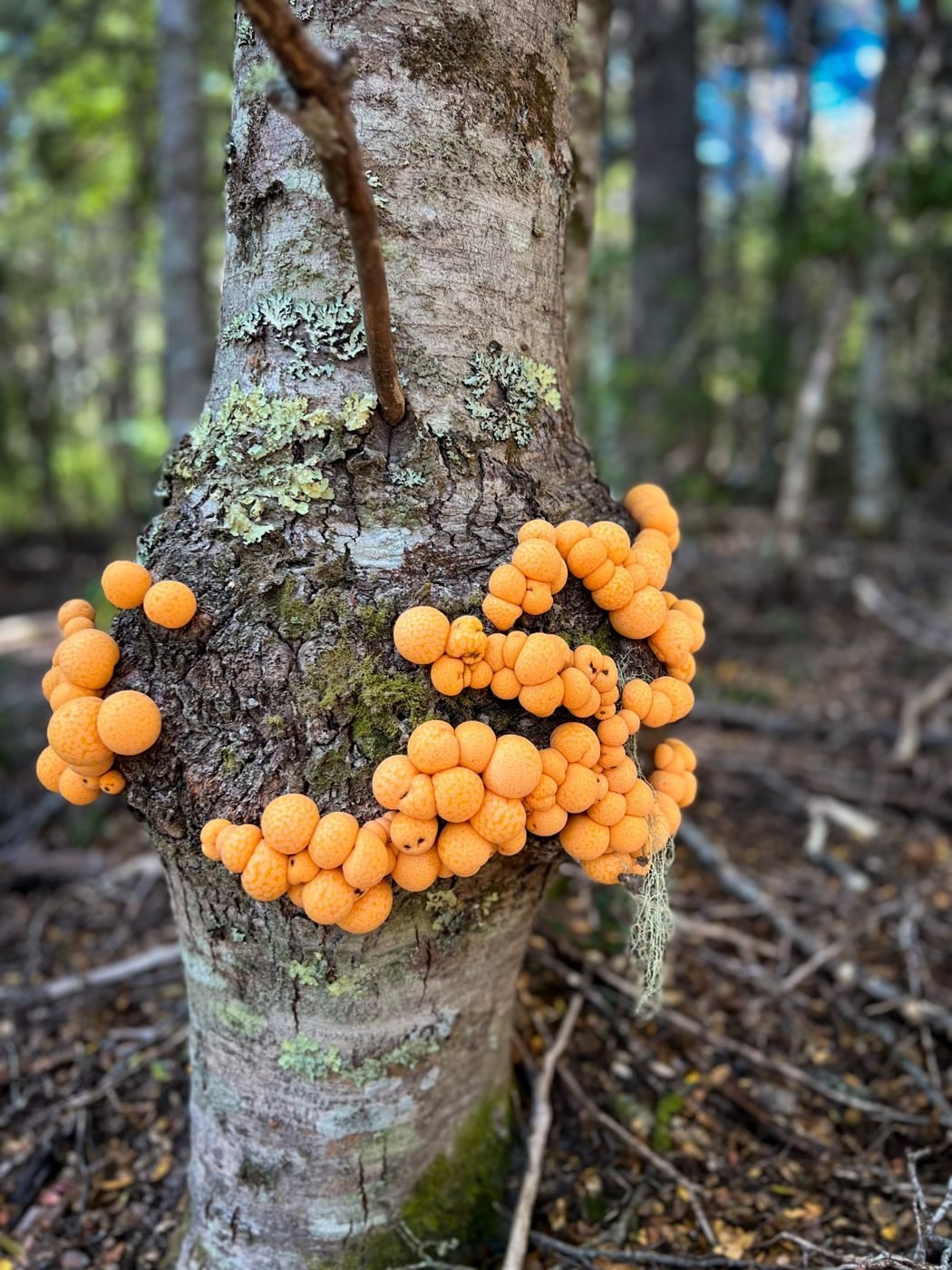
You see it on living branches and trunks, in clusters of orange balls, and the tree usually forms a knot (a gall) where it grows. At first they are smooth. As they mature, the apothecia appear on top, little bright-orange pits where the spores form, and the surface ends up looking like a honeycomb. Mature specimens measure between 3 and 7 cm across. According to the Biodiversity Information System (SIB) entry, they have a sweetish smell reminiscent of peach or apricot, and the ones that fall to the ground turn black.
When you can see it
It is a spring and summer fungus: according to the same entry, it matures between November and January. The 7 Lakes Patagonia departure, from late November to early December, falls within that window. Seeing it depends on the year, the stretch and the forest, so we don’t promise it. If it shows up, you look at it, photograph it and leave it on the tree.
A fungus that was also eaten
It is edible. According to the SIB entry, the Mapuche used it to make a fermented chicha-type drink, and the Yámana ate it fresh. Darwin, who collected another species of the genus (Cyttaria darwinii) in Tierra del Fuego during the voyage of the Beagle, noted that the people of the island ate it.
The Cyttaria genus has 11 species, all in the Southern Hemisphere: southern South America, Tasmania and New Zealand. All of them live on Nothofagus.
The lager yeast
In 2011, a research effort led by Diego Libkind, of CONICET, found a wild yeast, Saccharomyces eubayanus, in the Andean-Patagonian forests around Bariloche. It is one of the two yeasts that, when they crossed, gave rise to the one used for lager beer. According to CONICET, lager makes up 94% of world beer production today. CONICET’s page says the yeast was found on the surface of llao llao.
The hotel that carries its name
Llao Llao is also a peninsula of about 1,200 hectares inside Nahuel Huapi National Park, between lakes Nahuel Huapi and Moreno, with forests of coihues, cypresses and arrayanes. The sources we consulted agree that the name comes from the fungus. The hotel is at kilometer 25 of Avenida Exequiel Bustillo, in Bariloche.
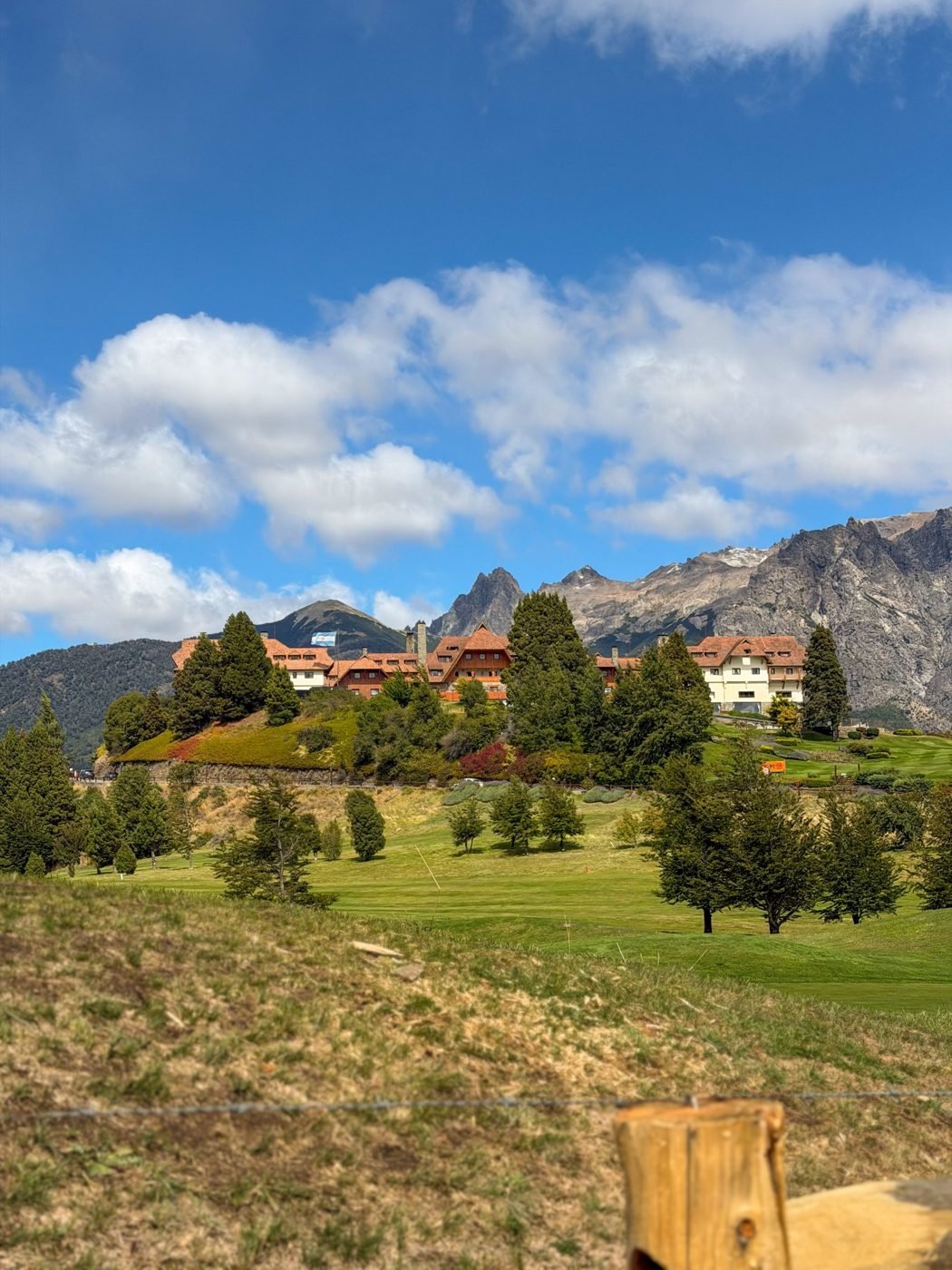
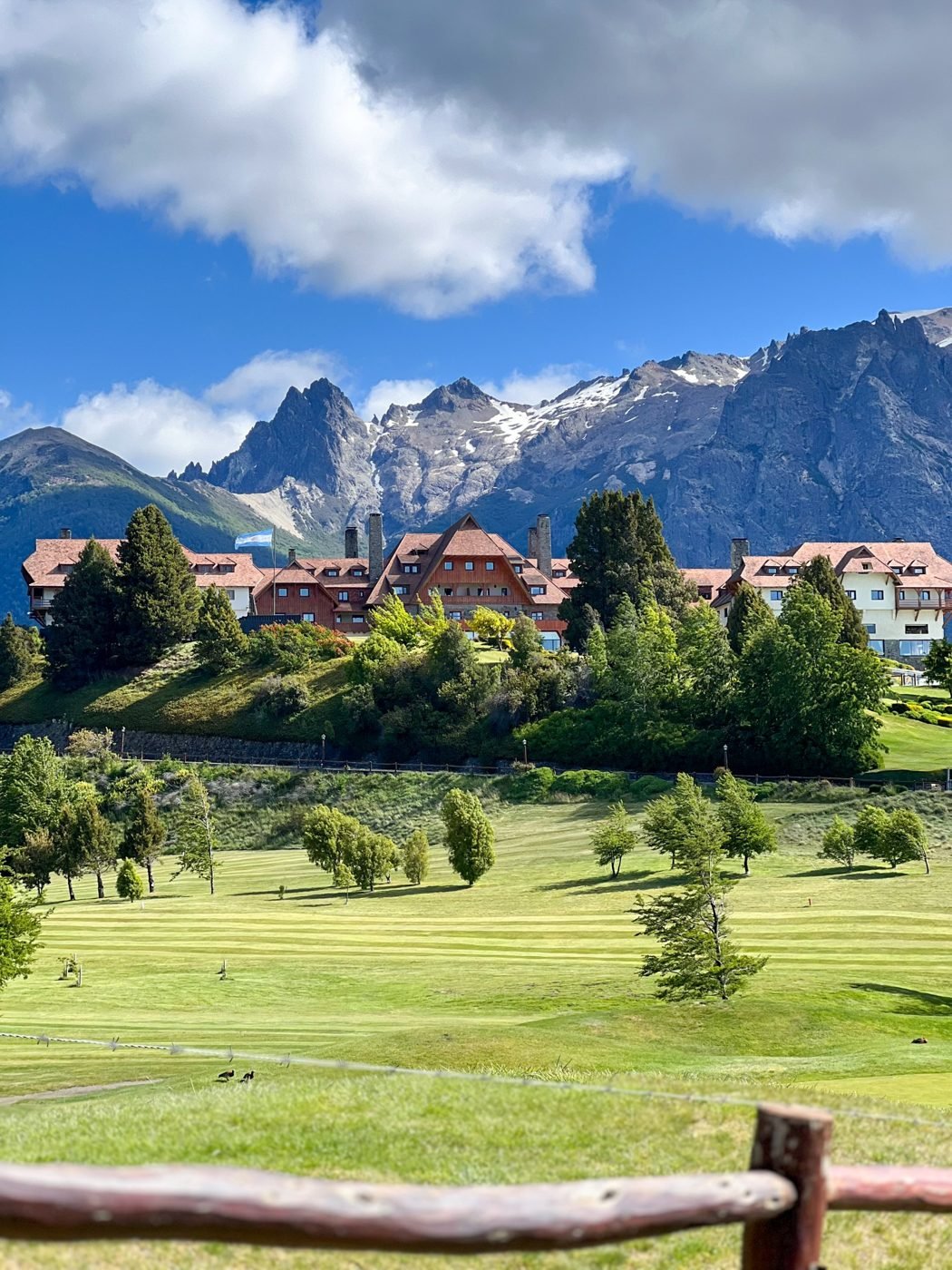
It was designed by the architect Alejandro Bustillo, brother of Exequiel Bustillo, who headed the National Parks administration. Construction began in 1936, with wood and stone and an alerce-shingle roof, and the hotel opened in January 1938. In October 1939 a fire destroyed it, Bustillo himself redrew the plans and it reopened on December 15, 1940.
Hard years followed. It closed in the late seventies after several administrations that didn’t work out, was privatized in 1991 and reopened on July 3, 1993 as Llao Llao Hotel & Resort, Golf & Spa.