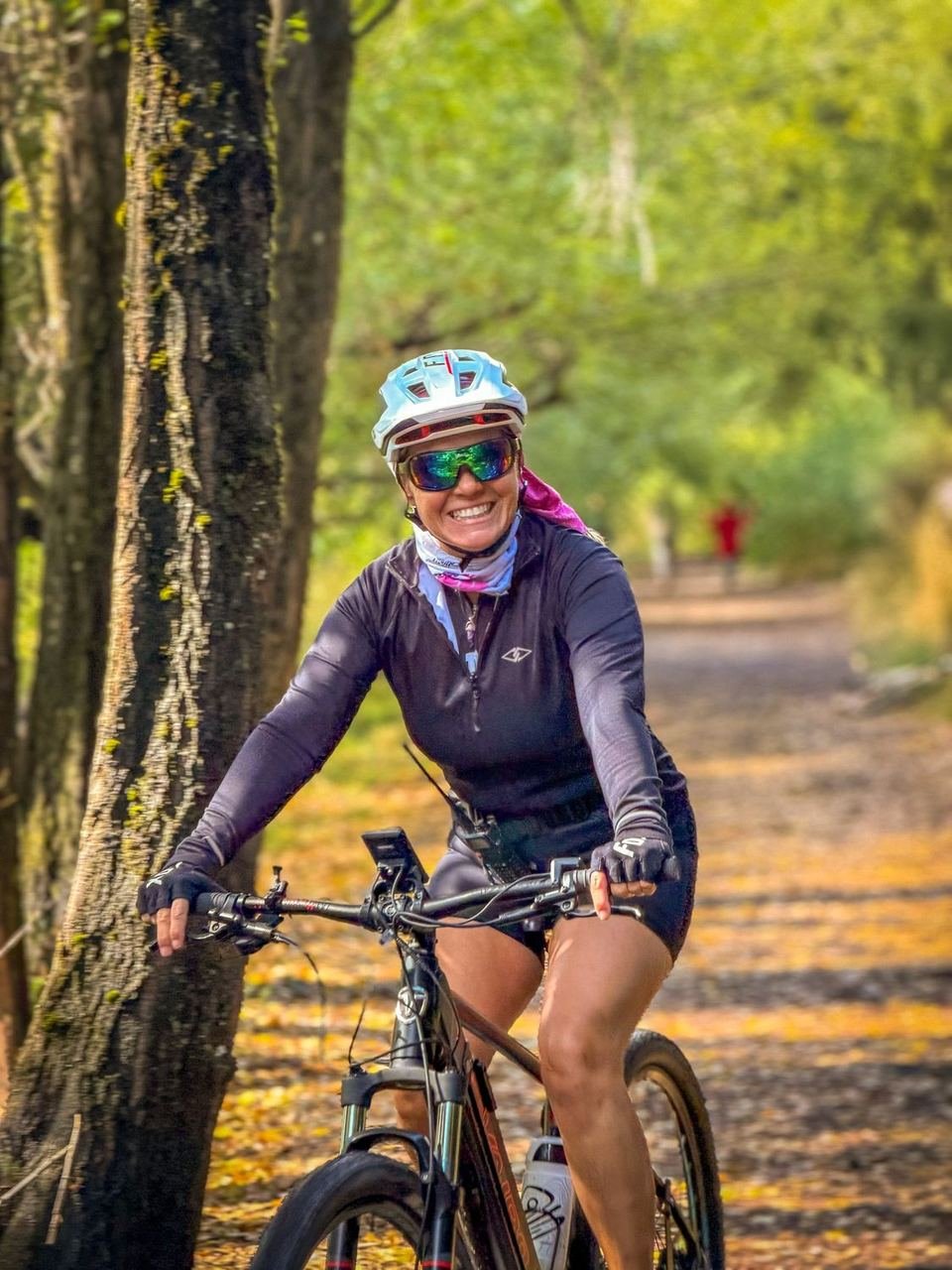
What to wear to ride in Patagonia: Seekers’ layering guide
A guide for everyone joining Seekers Patagonia: how to put together clothing you can add to or take off as the temperature, wind or rain change.
By the Seekers team
The core ideaSet out with light, breathable layers. Always keep a windproof and waterproof layer within reach.
The weather you’ll find
In the Patagonian Andes the weather can change within a single day. A cold morning can give way to a mild afternoon, and wind or a brief shower quickly lowers the felt temperature. Your clothing has to handle that change without you building up sweat during the effort.
Month
Temperatures in Bariloche
What to expect
November
Average high 17.3 °C (63.1 °F) · average 10.6 °C (51.1 °F) · average low 3.5 °C (38.3 °F)
Late spring, with cold mornings and changeable afternoons.
March
Average high 19.0 °C (66.2 °F) · average 11.3 °C (52.3 °F) · average low 4.0 °C (39.2 °F)
End of summer, with cool nights and possible autumn shifts.
Reference for Bariloche, from the Bariloche Tourism Promotion Board with data from the National Meteorological Service. They guide your packing but don’t replace each day’s forecast. On mountain roads, in the forest and on descents it can feel colder than in town.
If you’re used to warm climates
Even if 17 or 19 °C sounds mild, the wind, the shade of the forest, the humidity and riding downhill make your body lose heat quickly. This matters more if you live somewhere warm or with little temperature swing. It’s best to arrive with clothes you have already tested and not depend on a single thick jacket.
Pack warmth for mornings close to 3–5 °C (37–41 °F), even if the afternoon is forecast to be mild.
Protect your hands, neck and ears: they are usually the first places you feel the cold.
Use technical synthetic fabrics or merino wool. Avoid cotton while riding, because it holds moisture and gets cold.
Bring sun protection and sunglasses even on cool or cloudy days.
The layering rule
Each layer has a different job. During a climb you can take off a layer so you don’t sweat too much; before a descent or a break, you put it back on.
Layer 1 · Base
Keeps your skin as dry as possible.
Technical short- or long-sleeve shirt, depending on how you handle the cold.
A light base layer for the coldest mornings.
Recommended material: technical synthetic or fine merino wool.
Layer 2 · Insulation
Holds the heat when the effort or the temperature drops.
Thermal jersey, light microfleece or a thermal cycling jacket.
It should pack away easily in a small backpack or in the support vehicle.
A compact puffy jacket works for breaks and for wearing off the bike, not as your main layer for climbing.
Layer 3 · Wind and rain
Blocks the wind and keeps outside moisture from chilling your body.
Waterproof, breathable jacket with a hood that fits over or adjusts to your helmet.
Windproof vest for quick changes and descents.
Choose pieces with ventilation and a full zipper, so you can regulate your temperature.
Layer 4 · Extremities
Completes the system in the most sensitive areas.
Long cycling gloves and a second pair that is warmer or water-resistant.
Neck gaiter and a thin cap to wear under the helmet.
Removable thermal arm and leg warmers: stretchy pieces that cover arms or legs and come off without changing all your clothes. You can also choose thermal knee warmers.
Technical socks; consider shoe covers if you are sensitive to cold or rain.
How to adjust your layers
At the start, feel just slightly cool. If you set off fully bundled up, you will probably sweat too much on the first climb.
Open zippers or take off a layer before your inner layer gets damp.
Before a descent, a long break or an exposed stretch, put on your windproof or waterproof layer.
If your base layer gets wet, change into a dry one when the stage ends.
What to wear in each situation
Condition
Suggested combination
Adjusting on the move
Cold morning
Long-sleeve base, jersey, microfleece or thermal jacket, windproof vest, long gloves and neck gaiter.
Take off the vest or open zippers when the effort goes up.
Mild afternoon
Light jersey, cycling shorts or technical pants and cycling gloves.
Keep the windproof and waterproof layers at hand.
Wind
Breathable base, jersey and a snug windproof layer.
Protect your neck, hands and ears before a descent.
Rain
Technical base, light insulation and a breathable waterproof.
Avoid overdressing; ventilate so sweat doesn’t soak the base layer.
Break or support stop
Compact thermal jacket over dry layers.
Pack it away again before a demanding climb.
This is a reference. The guide’s instructions each day take priority.
How to adjust your kit by month
November
It is late spring. Expect cold mornings, quick changes and days when the wind can dominate how the temperature feels. Prioritize removable thermal arm and leg warmers, long gloves and a waterproof layer that also blocks the wind.
March
In March the transition toward autumn begins. Mornings and nights are still cold, and toward the end of the month the need for warmth can increase. Keep the same layering system and add a compact thermal piece for breaks and the end of the day.
One base for both monthsYou don’t need to pack completely different kits. The base is the same for November and March; adjust the amount of thermal clothing to the exact date and your personal sensitivity to the cold.
Recommended packing list
The exact amount depends on whether you’ll be able to wash clothes during the trip. This list prioritizes pieces that mix and match and dry quickly.
For riding
3 or 4 technical jerseys or shirts.
2 or 3 cycling shorts or pants with a chamois.
1 long-sleeve thermal base layer.
1 thermal jersey or light microfleece.
1 windproof vest.
1 waterproof, breathable jacket.
1 set of removable thermal arm and leg warmers.
4 or 5 pairs of technical socks.
For protection and rest
Helmet in good condition and properly fitted.
Sunglasses with UV protection.
Short gloves and long gloves.
A second pair of gloves that is warmer or water-resistant.
Neck gaiter and a thin cap or headband.
Compact thermal jacket for breaks.
Comfortable shoes for after riding.
Casual layered clothing for mornings and evenings.
In your daily-access backpack or bag
Waterproof layer and windproof vest, even if the day starts clear.
Long gloves, neck gaiter, removable thermal arm and leg warmers.
Sunscreen, lip balm with protection and sunglasses.
A light dry layer inside a waterproof bag.
Personal medication and any instruction from the Seekers team.
Test your kit before you travel
Don’t debut your key clothing in Patagonia. Try the full set on long rides and check that you can pedal, brake and look back without restriction.
The helmet sits firmly, level and doesn’t create pressure points.
The chamois and shorts don’t cause chafing after several hours.
The gloves let you use brakes and shifters precisely.
The waterproof jacket covers your back in the riding position.
All the layers can be worn together without limiting your shoulders or arms.
Shoes and socks work together without squeezing your toes.
You can stow and take out the windproof layer quickly.
What to avoid
Cotton T-shirts as a base layer while riding.
A single very thick jacket that doesn’t let you regulate your temperature.
Loose clothing that flaps in the wind or can snag.
Waterproofs without ventilation for long efforts.
New gloves, shoes or shorts with no previous test.
Final check before each stage
The Seekers team handles daily coordination. Follow the forecast and the guides’ instructions: they may recommend changes depending on the route, the wind, the rain or the condition of the terrain.
I checked the forecast and the guide’s instruction.
My waterproof and windproof layers are within reach.
I’m wearing protection for my hands and neck.
My base layer is dry.
I have sun protection and sunglasses.
Questions about your kit for Patagonia?
Tell us where you’re traveling from and what worries you about the weather or the clothing, and we’ll write back as soon as we can.